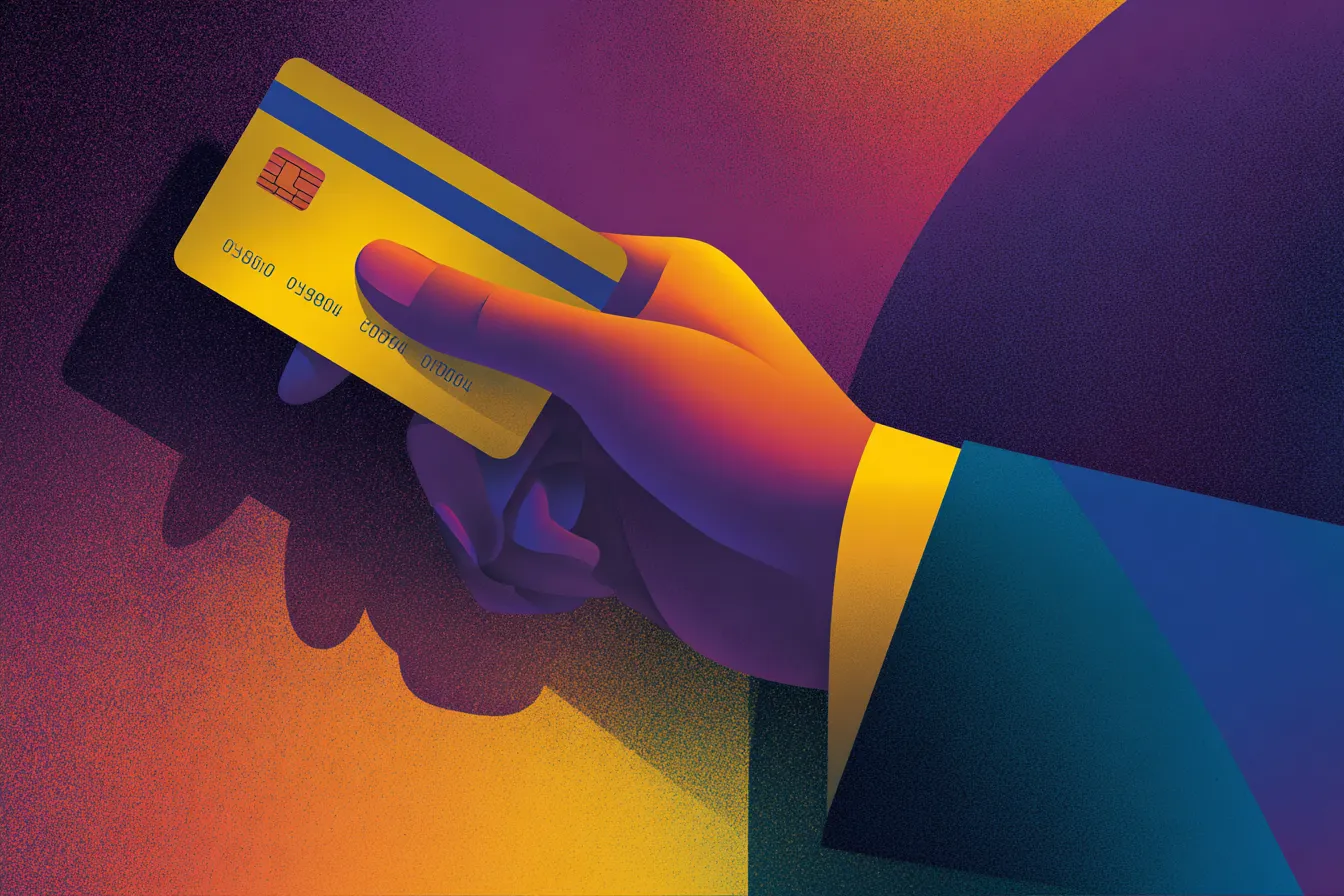
Tether and digital banking platform Fasset have launched the world's first gold-backed Visa card, allowing users to spend fiat at any Visa-accepting merchant while earning up to 6% cashback in XAU₮, Tether's gold-backed token, the firms announced in a statement on Wednesday.
The card runs on the Visa network. At the point of sale, XAU₮ is converted to USDT and then to fiat, with Fasset's infrastructure handling the conversion in real time. The card also features an automatic round-up function that invests the spare change from each transaction into XAU₮, enabling passive gold accumulation through everyday spending. XAU₮ cashback flows into users' wallets in real time.
Fasset operates across Asia and Africa as a digital banking and investment platform, processing $32 billion in annualized volume, 95% of which is in real-world assets. It is also one of the largest digital asset off-ramp providers in its region. Tether is committing up to $1 million in XAU₮ to seed the card's rewards ecosystem at launch.
"Historically, gold has been a store of value, not a medium of exchange. This initiative changes that narrative," said Paolo Ardoino, CEO of Tether. "Through this initiative, we are connecting stablecoins and tokenized gold to real-world payment systems, making them usable, accessible, and seamlessly integrated into global transactions."
Mohammad Raafi Hossain, CEO and co-founder of Fasset, said the company is targeting regions with long histories of gold as a store of wealth. "For over a thousand years, gold has been the most trusted store of wealth across our markets. We're bringing it into the digital age."
The total market cap of tokenized gold exceeds $5.3 billion, with XAU₮ accounting for more than $2.6 billion of that. One XAU₮ token represents one troy fine ounce of gold on a London Good Delivery bar, redeemable in physical gold. The card is integrated directly with Fasset's wallet infrastructure.
The partnership positions XAU₮ as a cashback asset in markets where currency volatility drives demand for dollar- and commodity-linked instruments, and where traditional gold investment channels remain inaccessible to most retail users.